Direct reuse
SOH of 90% or more and no faults: back to its use with a state-of-health certificate.
copper aluminum lithium nickel cobalt graphite
EcoBaterías tests, repairs, refurbishes and reuses lithium batteries and solar panels, and manages the recycling of whatever can no longer be used, with pickup anywhere in Chile. Lithium battery recycling, managed with authorized receiving facilities, costs 22 UF per tonne + VAT (19%).
+56 9 8761 6071 · WhatsApp (opens in a new tab) · We reply within 48 business hours
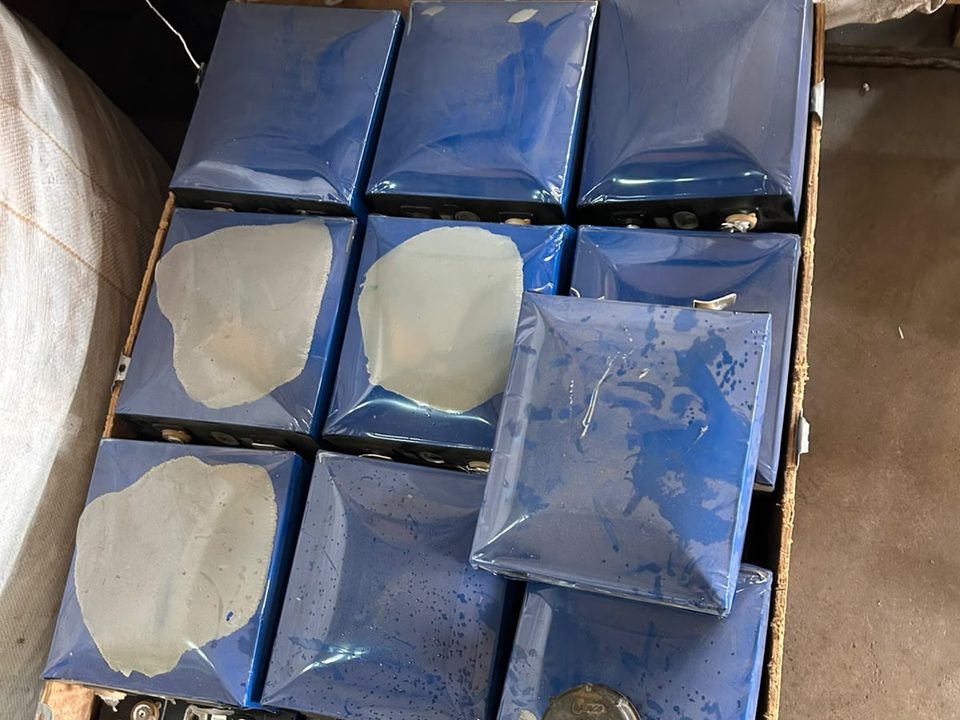
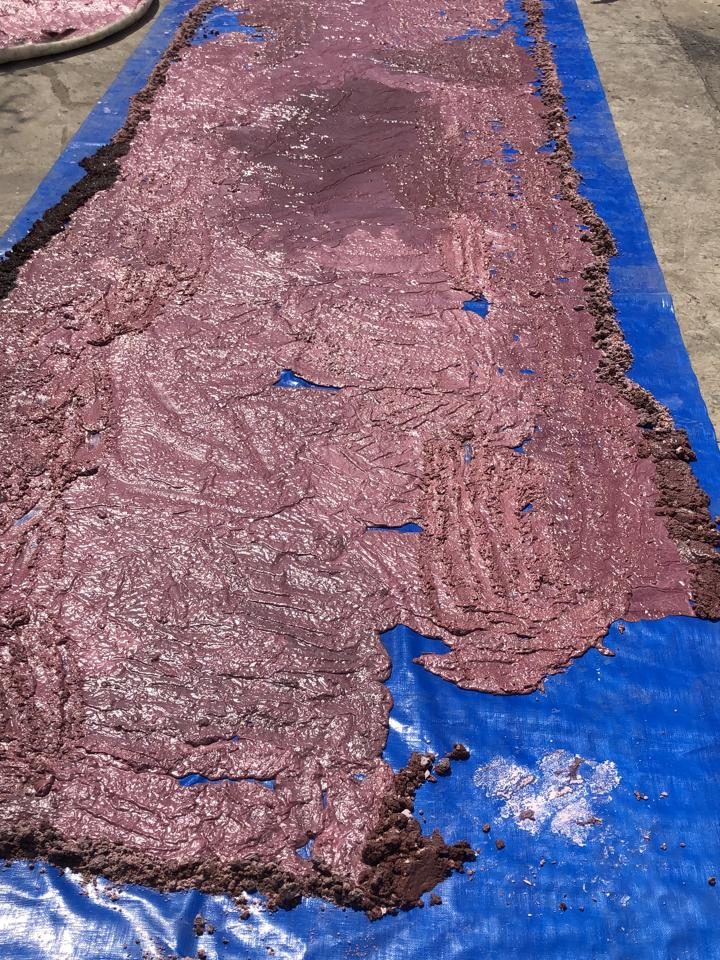
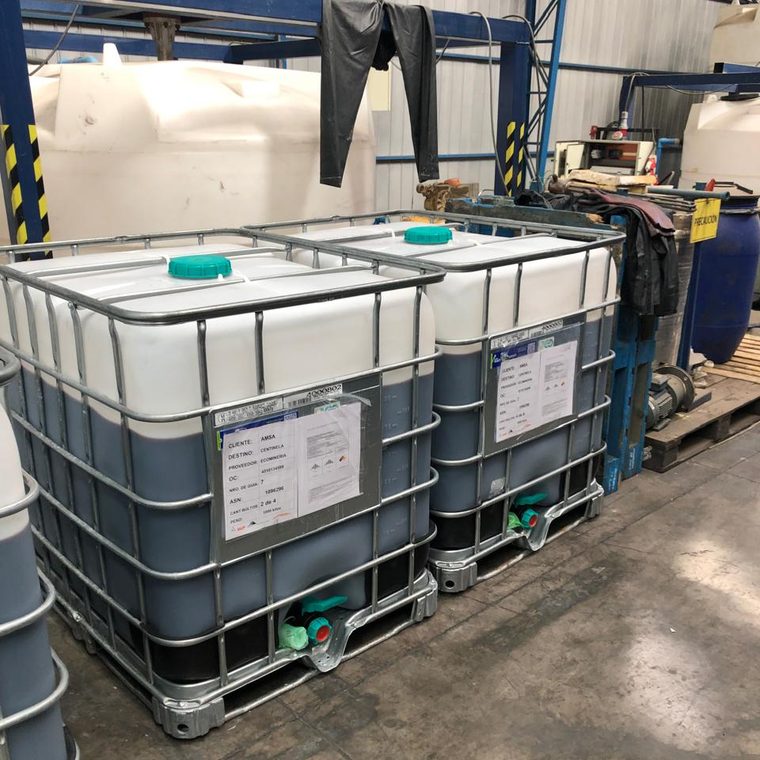
Pickup, documents and validation
EcoBaterías handles lithium-ion batteries and solar panels anywhere in Chile: it tests them first and, depending on the result, repairs them, refurbishes them, gives them a second life or manages their recycling with authorized receiving facilities, which issue the valorization certificate under Chile’s Extended Producer Responsibility law (Ley REP, Law No. 20,920). Recycling lithium-ion batteries, managed with authorized receiving facilities, costs 22 UF per tonne + VAT (19%), and we coordinate pickup with licensed hazardous-waste carriers.
UF is Chile’s inflation-indexed unit of account, published daily by the Central Bank.
Sources: regulatory impact assessment of the draft battery decree, Ministry of the Environment (Res. Ex. 821/2026) (opens in a new tab) for the waste and recycling figures · EcoBaterías Solar Observatory, data cut-off 2026-09-11, for the modules · El Rancagüino, 2024-07-15 (opens in a new tab) for El Teniente
Services
Each line has five services, from testing to recycling. All of them are available and quoted per batch. Collection and transport cover both lines; repowering covers solar plants.
We read the BMS, the electronics that monitor and protect the cells, and measure insulation, capacity and internal resistance. You get a state-of-health (SOH) certificate: current capacity as a percentage of the original.
See lithium battery testingElectroluminescence (EL), an image of the energized module taken in the dark that shows cracked or inactive cells; the I-V curve, which gives the real power output; thermography and insulation. One report per module, on site or in the lab.
See solar panel testingBMS replacement or reprogramming, weak cell and module replacement, balancing, contactors and connectors, tested before and after. For e-bikes, scooters, power tools, electric vehicles and BESS (battery energy storage systems).
See lithium battery repairJunction boxes, bypass diodes, connectors, cables and frames, tested before and after. Broken glass cannot be fixed, and we do not repair inverters.
See solar panel repairWe take the pack apart, measure every cell or module, replace the weak ones, balance it and run a capacity test before it goes back to the same use. Applies from 80% SOH.
See lithium battery refurbishmentWe sell used modules with measured power, an EL image and an insulation test, and we refurbish the panels removed from your plant or roof and return them graded.
See refurbished solar panelsCar, bus or BESS modules with 65% to 80% SOH are repurposed, for example as stationary storage, with serial-number traceability.
See second-life batteriesDo you have a batch of decommissioned panels? We test them module by module and decide which are reused and which are recycled. Every module keeps its brand, model and nameplate.
See solar panel reuseWe coordinate pickup with licensed hazardous-waste carriers and manage the recycling of lithium-ion batteries from companies and institutions with authorized receiving facilities. Recycling costs 22 UF per tonne + VAT; the valorization certificate is issued by the authorized receiving facility.
See lithium battery recyclingWe coordinate pickup with licensed hazardous-waste carriers and manage, with authorized receiving facilities, the recycling of modules that no longer work, with a certificate for Supreme Decree (DS) 22/2025, the decree that sets EPR targets for portable batteries, electrical equipment and solar panels.
See solar panel recyclingWe coordinate pickup with licensed hazardous-waste carriers, from a box of power-tool batteries to pallets of panels from a solar plant. We tell you how to pack each batch based on its condition.
See collection and transportWhen a plant replaces its modules, we test them on site, separate the ones that can be reused or repaired and manage the recycling of the rest, with a report for every batch.
See solar plant repoweringHow we decide
Recycling is the last route, not the first. For batteries, the deciding figure is state of health (SOH): the capacity the battery delivers today as a percentage of what it had when new. For panels, it is the power measured on the I-V curve as a percentage of nameplate power, the rating the manufacturer prints on the module label.
Lithium-ion batteries. The route depends on the measured SOH and the physical condition of the pack:
SOH of 90% or more and no faults: back to its use with a state-of-health certificate.
SOH of 80% or more: the weak module or component is replaced and the battery is tested again. See repair and refurbishment.
SOH between 65% and 80%: modules graded for stationary storage. See second life.
SOH below 65%, swelling, leaks, thermal damage or deep over-discharge. See lithium battery recycling.
A battery that is swollen, leaking, has melted areas or heats up while switched off is not repaired. Neither is an over-discharged one: under the EU Batteries Regulation, even a minor over-discharge can form dendrites and end in an internal short circuit.
Sources: EcoBaterías test protocol, in-house thresholds and not a standard, 2026-09-18 · ETH Zürich, damaged batteries (opens in a new tab) · Regulation (EU) 2023/1542, Annex V (opens in a new tab)
Solar panels. The class depends on measured power and on the condition of the glass and the insulation:
| Test result | Class | Route |
|---|---|---|
| 85% of nameplate or more | P1 | Reuse or sale as a refurbished panel |
| Between 80% and 85% of nameplate | P2 | Reuse or sale as a refurbished panel |
| Between 70% and 80% of nameplate | P3 | Off-grid uses, subject to what the SEC (Chile’s electricity and fuels regulator) requires |
| Below 70% of nameplate, broken or cracked glass | No class | Recycling with a certificate |
| Fault in the junction box, bypass diode, connector or cable | Regraded after repair | Repair and retest |
Swipe to see the full table
Every module keeps its brand, model and nameplate. The SEC authorizes panels by brand and model based on new-product certificates, and prohibits installing modules with breaks or cracks; off-grid installations must also use authorized models. The installation declared to the SEC is defined by the licensed electrical installer: check with the SEC before connecting used panels.
Sources: EcoBaterías test protocol, in-house classes and not a standard, 2026-09-18 · SEC Res. Ex. 32,427/2020 (opens in a new tab) · SEC, RGR No. 02/2024 (opens in a new tab) · SEC, ITG RIC No. 9.1/2021 (opens in a new tab)
Revalorization: the name we use for giving value back to a battery or panel that is no longer in use, through repair, refurbishment, second life or recycling. The Chilean legal term is valorization (Law No. 20,920, art. 3 No. 30), which under that law covers preparation for reuse, recycling and energy recovery. More in revalorization and valorization. For batteries, the draft decree proposes that at least 30% of the lithium-ion target be met through preparation for reuse.
Sources: Law No. 20,920, Biblioteca del Congreso Nacional (opens in a new tab) · draft battery decree, Ministry of the Environment (Res. Ex. 821/2026) (opens in a new tab)
What we handle
We repair, refurbish and repurpose only lithium-ion batteries: LFP (lithium iron phosphate), NMC (nickel manganese cobalt), NCA (nickel cobalt aluminum), LCO (lithium cobalt oxide) and LTO (lithium titanate). Recycling at 22 UF per tonne + VAT also applies to lithium-ion only. For panels, we work with photovoltaic modules, the ones that generate electricity.
| What you have | Do we handle it? | Possible services |
|---|---|---|
| Phones, laptops and other consumer electronics batteries | Yes | Recycling |
| Cordless power tools, e-bikes, scooters and electric motorcycles | Yes | Testing, repair, refurbishment and recycling |
| Electric car, bus and forklift packs | Yes | Testing, repair, refurbishment, second life and recycling |
| BESS modules and racks | Yes | Testing, repair, refurbishment, second life and recycling |
| Swollen, leaking, burned or over-discharged batteries | Yes, for recycling only | Recycling, with packaging for damaged batteries |
| Lead-acid, NiMH and other chemistries | Quoted separately | Not repaired or refurbished |
| Photovoltaic solar panels | Yes | Testing, repair, refurbishment, reuse and recycling |
| Panels with broken glass | Yes, for recycling only | Not repaired or sold |
| Inverters and solar thermal collectors | We do not repair them | Outside our technical service |
Swipe to see the full table
Regulatory note: DS 22/2025 covers portable batteries and leaves out batteries of 5 kg or more and lead-acid batteries. The draft of a separate battery decree, still in preparation, proposes to cover batteries of 5 kg or more and all lead-acid batteries, regardless of weight. If you only have a few units, see where to recycle lithium batteries in Chile.
Sources: final proposal of DS 22/2025, Ministry of the Environment (Res. Ex. 3413/2025) (opens in a new tab) · draft battery decree, Ministry of the Environment (Res. Ex. 821/2026), art. 2 No. 1 (opens in a new tab) · EcoBaterías service scope as of 2026-09-26
Sectors
Companies that generate end-of-life batteries or panels, producers that must comply with the EPR law and individuals with a battery that has failed.
Batteries from forklifts, equipment, backup power systems (UPS) and BESS at mine sites, and panels from on-site solar plants: testing, coordinated pickup and a technical report. On the mineral side, a recycled cobalt sulfate was successfully tested at the Hydrometallurgy Plant of Codelco El Teniente, according to the press: see the published evidence.
The EcoBaterías Solar Observatory counts 756 photovoltaic plants in operation, and Chile had 8,786 MWh of battery storage operating in May 2026, according to the CNE, Chile’s National Energy Commission. See solar plant repowering and end-of-life BESS.
More than 4,000 electric buses run in Santiago (February 2026). We test their packs module by module, refurbish the ones that keep their capacity and manage the end of life of the rest. See electric bus batteries.
Operations and maintenance teams that need thermography, electroluminescence and I-V curves for a warranty or insurance claim, or need junction boxes and diodes repaired. See testing and panel repair.
The valorization certificate for your declaration is issued by the authorized receiving facility. Supreme Decree (DS) 22/2025 sets solar panel targets from 10% in 2030 up to 50% in 2037. See Chile’s EPR law for batteries, DS 22/2025 for solar panels or get a quote for your EPR compliance.
Do you have a few batteries, or an e-bike, scooter or power-tool battery that has failed? See where to recycle lithium batteries in Chile or ask for your battery to be repaired. You can also write to us.
Sources: EcoBaterías Solar Observatory, data cut-off 2026-09-11 · CNE, via Reporte Minero, May 2026 (opens in a new tab) · Reporte Minero, February 2026 (opens in a new tab) · DS 22/2025, summary by Carey (opens in a new tab)
Coverage
Yes. We coordinate pickup with licensed hazardous-waste carriers in every region, from Arica y Parinacota to Magallanes. The battery recycling price is the same across Chile; freight and the pickup date are confirmed in the quote.
Packaging, labeling and document details are in battery and solar panel collection and transport, and step-by-step preparation in how to prepare lithium batteries for recycling.
Sources: Supreme Decree (DS) 148/2003, hazardous waste (opens in a new tab) · DS 298/1994, transport of dangerous goods (opens in a new tab) · RID 2025, harmonized with the UN Model Regulations (opens in a new tab) · SIDREP, Ministry of Health (opens in a new tab)
Published evidence
The liquid performed better, the effect is much faster and it is cheaper.
A recycled cobalt sulfate was successfully tested at the Hydrometallurgy Plant of Codelco El Teniente (trials from November 2023; results published in July 2024): 22% lower cost, 40% lower consumption and a single daily addition instead of three.
Source: El Rancagüino, “El Teniente successfully tests recycled cobalt sulfate” (opens in a new tab) · 2024-07-15. The article does not name the supplier.
EcoBaterías’ hydrometallurgical process comes from EcoMinería (Ecoprojects), a founding partner, which ran it at its Lampa plant (Santiago Metropolitan Region) under a 2020 health permit issued in its name. The new plant is under review by the Seremi de Salud RM. Learn about the process EcoMinería ran in Lampa, who we are, the investor panel and the advantage of valorizing inside Chile under the Basel Convention.
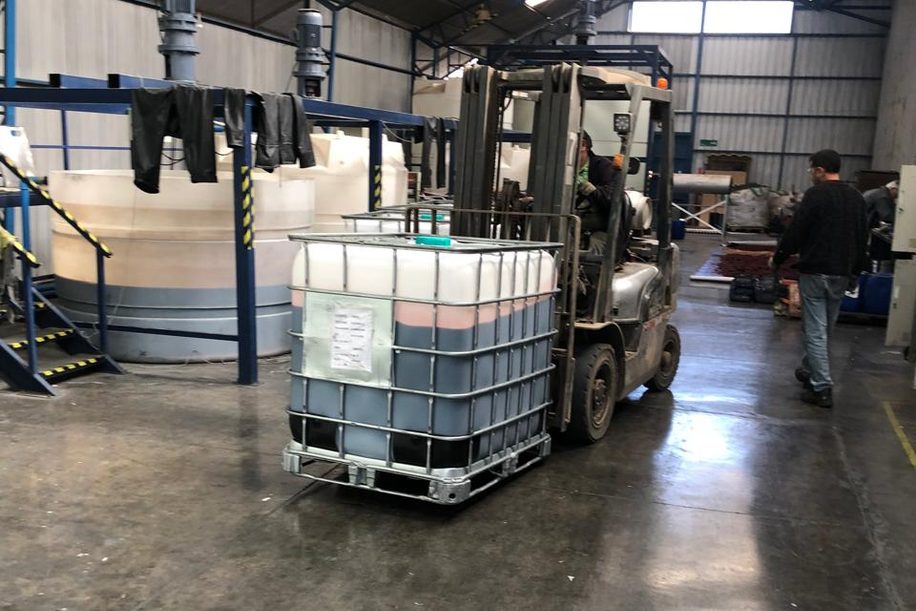
Plant footage
The Ruta Verde (Mega) television report on the Lampa plant, operated by EcoMinería (Ecoprojects), a founding partner of EcoBaterías, and, below, the three-minute overview of the process: how end-of-life batteries were turned into minerals for industry.
Report by Ruta Verde, Mega · 9 min 31 s · 2024-03-16 · in Spanish.
Video by Álvaro Cruz Aninat · 3 min 17 s.
Safe discharge and dismantling Black mass Hydrometallurgy Cobalt and nickel sulfate
Frequently asked questions
Short answers to what companies and individuals ask us most. Each one links to the service page.
Sources
A failed battery, a batch of panels or a whole plant: send us the type, quantity, condition and location. We reply with the recommended route, the price and the pickup plan.
Updated October 9, 2026 · Reviewed by the EcoBaterías technical team.