Consumer electronics
Phones, laptops, tablets and backup batteries. They arrive through a drop-off point or a scheduled collection.
copper aluminum lithium nickel cobalt graphite
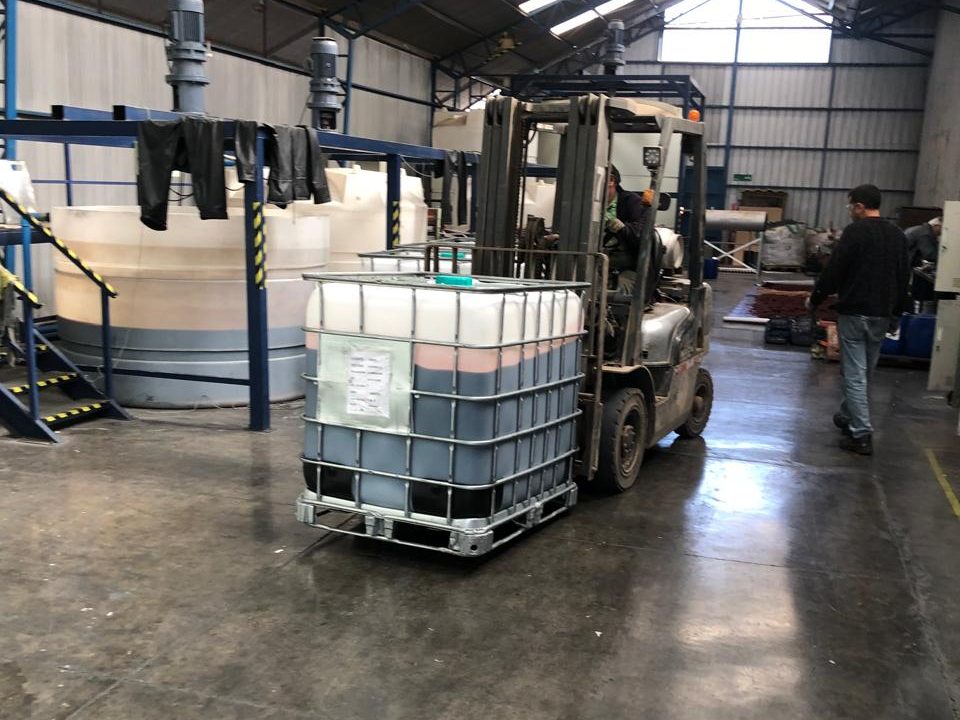
Ecobaterías is the Chilean lithium-battery recycler that closes the loop inside the country: its own hydrometallurgical plant in Santiago and recycled cobalt sulfate tested at Codelco El Teniente. And before recycling, we test, repair and reuse batteries and solar modules.
+56 9 4011 8111 · WhatsApp (opens in a new tab) · We reply within 48 business hours
Validation and legal framework
UF is Chile’s inflation-indexed unit of account, published daily by the Central Bank.
Sources: regulatory impact assessment of the draft battery decree, Ministry of the Environment (Res. Ex. 821/2026) for the waste and recycling figures (opens in a new tab) · El Rancagüino, 2024-07-15 for the El Teniente results (opens in a new tab) · 2026-09-18
See it running
The Ruta Verde (Mega) television report on the plant and, below, the three-minute overview of the process: how we turn end-of-life batteries into minerals for industry.
Report by Ruta Verde, Mega · 9 min 31 s · 2024-03-16 · in Spanish.
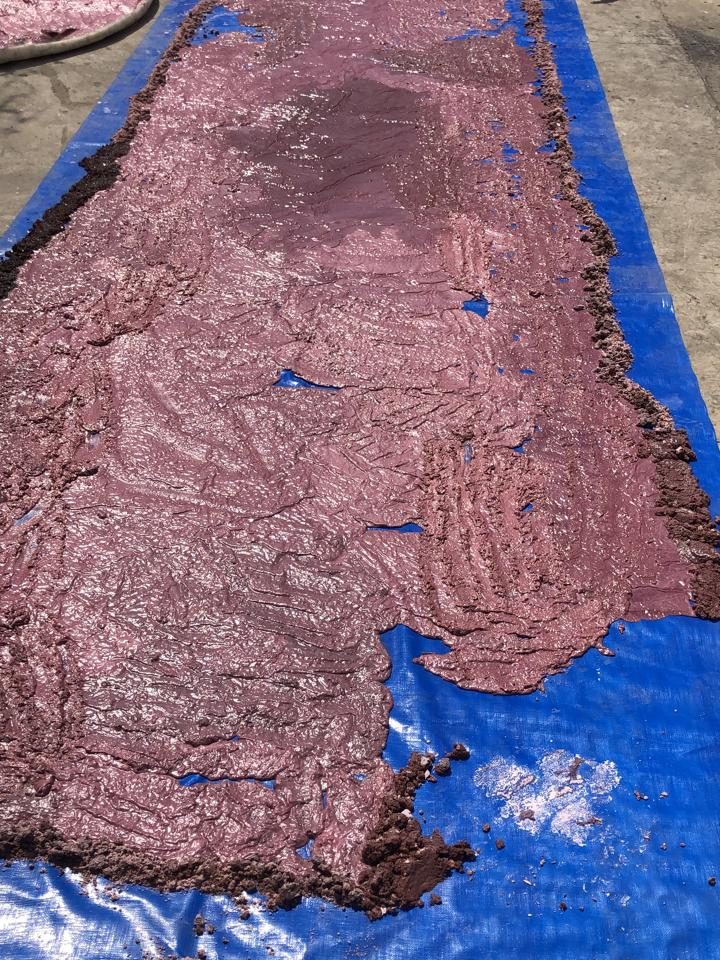
Safe discharge and dismantling Black mass Hydrometallurgy Cobalt and nickel sulfate
Technical service
Testing, repair and reuse of lithium batteries and solar modules: every unit is measured and follows the highest-value route. Recycling is the last step, not the first. The technical service runs as a 2026–2027 pilot program.
Electric cars and buses, BESS and micromobility: BMS readout, insulation, internal resistance, capacity and EIS. State-of-health (SOH) certificate.
See lithium battery testingModule, BMS and contactor replacement; graded modules for stationary storage, with serial-number traceability.
See the full technical serviceInspection, insulation, electroluminescence and I-V curve under a solar simulator. Refurbished modules with measured power; junction-box and connector repair.
See the solar module lineWhatever is not reused is recycled in Chile: cells to hydrometallurgy (cobalt and nickel sulfate, copper, aluminum) and modules to a licensed manager. EPR certificate.
See the recycling processWhat we accept
We classify by application and chemistry, not by weight. Weight only decides which decree under Law No. 20,920 applies to you.
Phones, laptops, tablets and backup batteries. They arrive through a drop-off point or a scheduled collection.
Cordless tool packs, e-bikes and scooters, with controlled dismantling and discharge.
Cars, buses and machinery. Tested module by module before choosing refurbishment, second life or recycling.
Stationary storage modules and racks taken out of service, with an on-site de-energizing protocol.
Regulatory note: batteries under 5 kg are covered as portable batteries by Supreme Decree (DS) 22/2025; those of 5 kg or more by the battery decree still being drafted. Lead-acid batteries fall under that decree regardless of weight and are not processed at our plant.
Ecobaterías video · 3 min 17 s.
Source: draft battery decree, Ministry of the Environment (Res. Ex. 821/2026), Art. 2 No. 1 (opens in a new tab) · 2026-09-18
Solutions
We close the loop: we take the waste where it is generated and return minerals where they are needed.
End-of-life batteries managed as hazardous waste, with traceability and the documentation your Law No. 20,920 declaration needs.
See the EPR targets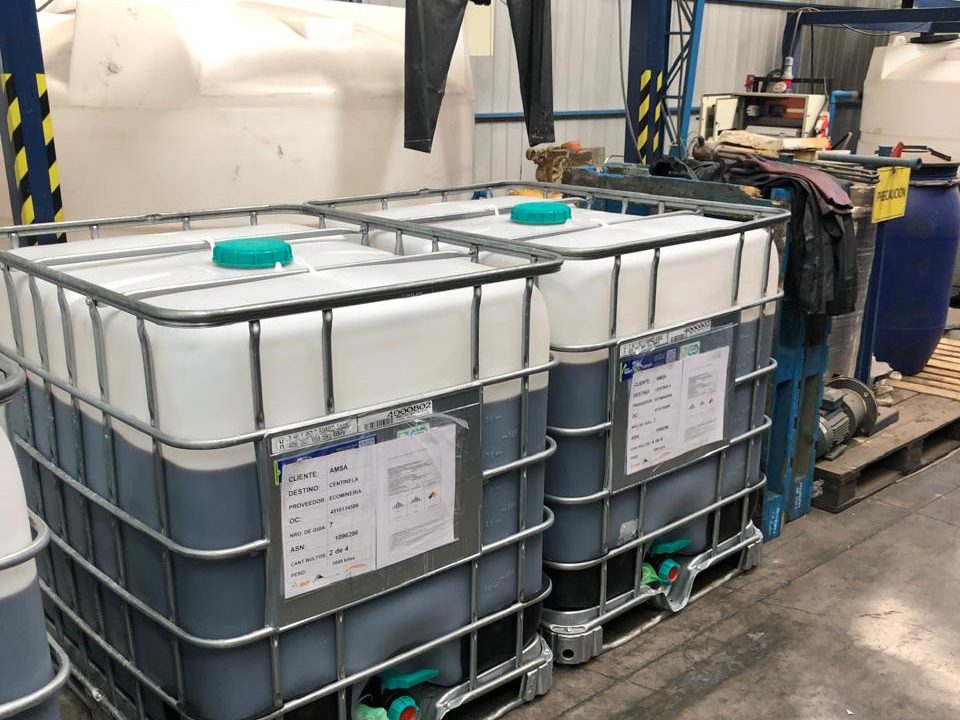
Local supply of cobalt sulfate, nickel and copper, with results measured on site.
See the El Teniente case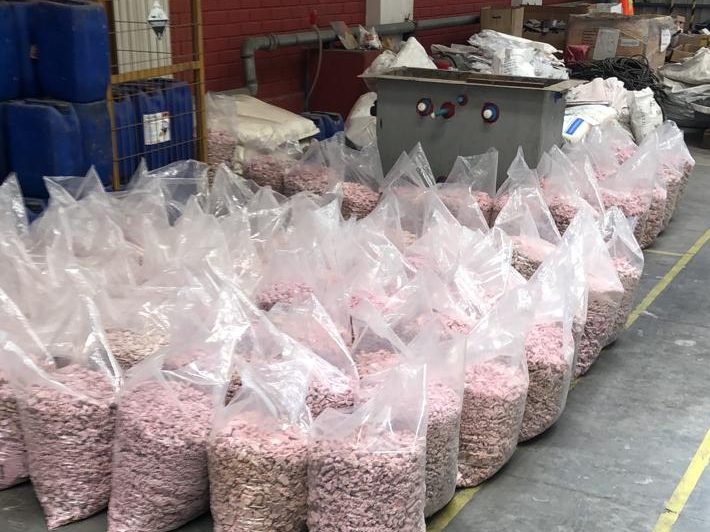
Chile has no large-scale lithium battery recycling plants: we are the country’s first operator to close the loop.
See the business in numbersProven experience
The liquid performed better, the effect is much faster and it is cheaper.
Our recycled cobalt sulfate was successfully tested at the Hydrometallurgy Plant of Codelco El Teniente (trials from November 2023; results published in July 2024): 22% lower cost, 40% lower consumption and a single daily addition instead of three.
Source: El Rancagüino, “El Teniente successfully tests recycled cobalt sulfate” (opens in a new tab) · 2024-07-15. The article does not name the supplier; the supporting record is in compliance and permits.
Explore the platform
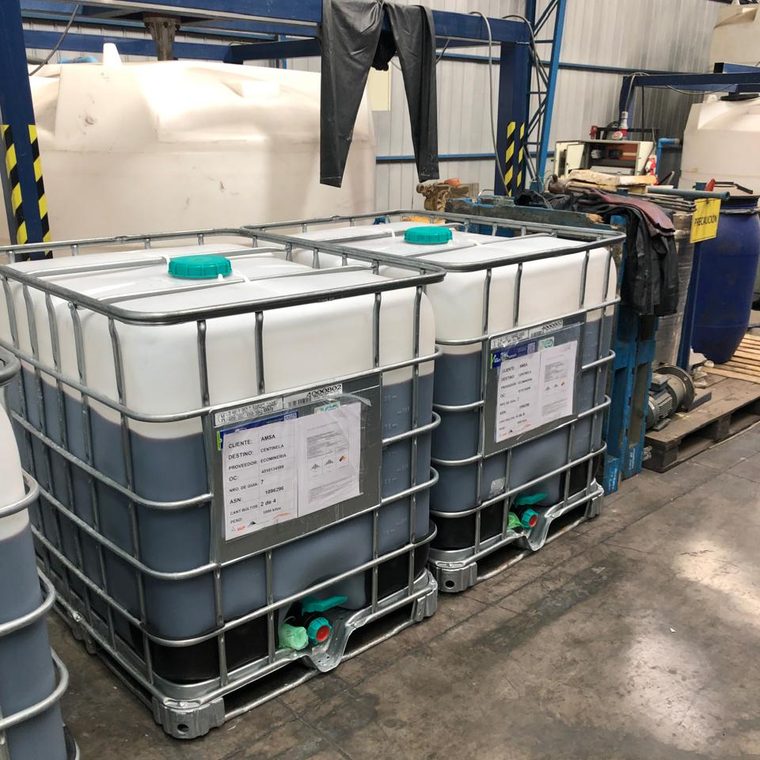
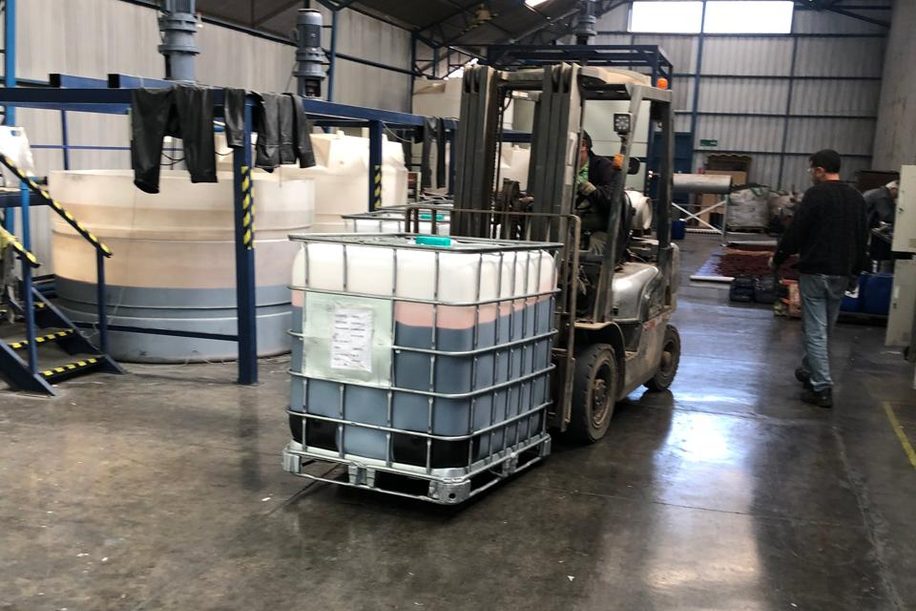
A plant map and a walkthrough of the six stages: from end-of-life battery to the cobalt sulfate that mining buys, with real photos of the operation.
Walk through the recycling processA model with two revenue streams, a productivity simulator by tonnes processed and five-year projections in a panel built for investors.
Open the investor panelRegulatory advantage
Completing valorization inside Chile keeps the minerals outside the Basel Convention’s prior-consent procedure: shipments in weeks rather than months, with an estimated saving per tonne exported.
Frequently asked questions
Straight answers to what companies and people ask us most.
Producer under the EPR law, waste generator, mineral buyer or investor? Tell us what you have and we will reply within 48 business hours.
Updated on 2026-09-18 · Reviewed by the Ecobaterías technical team.