How a lithium battery is recycled
EcoBaterías is a Chilean company that recycles, repairs and reuses lithium batteries and solar panels. This page walks stage by stage through the hydrometallurgical process that EcoMinería (Ecoprojects), a founding partner of EcoBaterías, ran at its Lampa plant —the same one planned for the new plant, under review by the Seremi de Salud RM (Chile’s regional health authority)— and publishes what came out of it and what did not.
Recycling a lithium battery means separating its metals and selling them again as a product. In the hydrometallurgical process that EcoMinería (Ecoprojects), a founding partner of EcoBaterías, ran at its Lampa plant, also planned for EcoBaterías’ new plant under review by the Seremi de Salud RM, the waste was received and sorted, tested to see whether it could still be used, discharged and dismantled, milled into black mass and taken through leaching, purification and crystallization into cobalt and nickel sulfate, copper and aluminum.
Updated October 9, 2026
- Stages
- 7, from intake to dispatch
- In
- End-of-life lithium-ion batteries, handled as hazardous waste
- Out
- Cobalt and nickel sulfate, copper and aluminum
- Not sold
- Lithium and graphite
- Where
- Lampa plant, operated by EcoMinería (Ecoprojects) under a 2020 health permit issued in its name; no longer operating. New plant under review by the Seremi de Salud RM
- Before recycling
- Testing, repair, refurbishment and second life
- Pre-testing
- 30 minutes to 6 hours per pack
We test before we recycle. Every battery and every module first goes through our testing, repair, refurbishment and second-life services: only what fails the tests goes to recycling. That follows the waste hierarchy of Chile’s Extended Producer Responsibility law (Ley REP, Law No. 20,920) — reuse before recycling — and recovers more value per tonne. The full order is under what happens to a battery before it is recycled.
Process map
The material flow
Material moves from left to right: it enters as hazardous waste and leaves as a mineral product.
Swipe to see the whole map
What are the stages of the process?
This is how the process worked at the Lampa plant, operated by EcoMinería (Ecoprojects) under a 2020 health permit issued in its name, in seven stages. The same process is planned for the new plant, under review by the Seremi de Salud RM. The method comes from one of the two companies that founded EcoBaterías: Ecoprojects’ hydrometallurgical process (in Spanish) (opens in a new tab).
- Intake and sorting Batteries were weighed, sorted by chemistry and format and logged as hazardous waste with batch traceability.
- Pre-testing Before milling, every pack and module went through the technical service: whatever could be repaired, reused or moved to second life did not enter recycling.
- Discharge, dismantling and milling Electrical discharge and dismantling under electrical, chemical and fire-risk protocols; milling the cells produced black mass and separated copper and aluminum.
- Leaching Controlled chemical dissolution of the cathode material (NMC), leaving the metals available in solution.
- Purification and separation Successive stages separated the nickel and cobalt solutions, with laboratory control batch by batch.
- Crystallization Purified solutions were crystallized into cobalt sulfate heptahydrate and other industrial-grade salts.
- Final product and dispatch Dispatch as a liquid (1,000 L IBC) or crystallized to mining clients, with a valorization certificate for whoever handed over the waste.
Reference times for the preceding technical service: 30 minutes to 6 hours per battery pack and about 6 minutes per photovoltaic module, with a capacity of 50 to 100 modules per day.
What happens to a battery before it is recycled?
It goes through a cascade of decisions. Law 20,920 defines “preparation for reuse” as the checking, cleaning or repair that lets a product be used again without further processing, and counts it as valorization, just like recycling. The draft battery decree proposes that at least 30% of the lithium-ion target be met that way. That is why recycling is the last step, not the first:
- Collection We coordinate pickup with licensed hazardous-waste carriers and tell you how to pack each batch according to its risk. Details in collection and transport of batteries and panels.
- Testing We measure state of health (SOH), the capacity the battery retains compared with when it was new, and check the BMS (battery management system), the electronics that protect the cells. Details in lithium battery testing.
- Repair If the fault is isolated — BMS, a module, a contactor or a fuse — it is repaired and the battery goes back to its original use. Details in lithium battery repair.
- Refurbishment With an SOH of 80% or more, the pack is disassembled, weak modules are replaced and capacity is tested before it goes back into service. Details in lithium battery refurbishment.
- Second life With an SOH of 65% to 80%, modules are graded for stationary storage. Details in second-life batteries.
- Recycling Below 65%, with physical damage or with cells discharged to 0 V, the battery goes to recycling. Details in lithium battery recycling for companies.
Today, for whatever can no longer be used, we manage its valorization with authorized receiving facilities, in Chile or in OECD countries where applicable; the authorized receiving facility closes the SIDREP declaration and issues the valorization certificate. SIDREP is Chile’s national hazardous-waste declaration and tracking system. Panels follow the same logic with their own tests: solar panel testing, repair, refurbished panels and panel recycling. The full overview is under services for lithium batteries and solar panels.
Sources: Law 20,920, art. 3 No. 18 and No. 30 (opens in a new tab) · Draft battery decree, Res. Ex. 821/2026, art. 22 (opens in a new tab) · EcoBaterías’ own thresholds · 2026-09-26
What came out of the process, and what did not?
A battery does not turn entirely into product. This is what left the hydrometallurgical process of the Lampa plant, in what form, where it went and what stayed outside the commercial loop:
| Material | Output form | Destination | Status at Lampa |
|---|---|---|---|
| Cobalt | Liquid cobalt sulfate (1,000 L IBC) or crystallized | Copper mining, as a hydrometallurgical additive | Recovered and sold |
| Nickel | Nickel sulfate in solution | Chemical and industrial sector | Recovered |
| Copper | Scrap separated during dismantling and milling | Smelter | Recovered |
| Aluminum | Scrap separated during dismantling and milling | Smelter | Recovered |
| Lithium | Stayed in the process solutions | No commercial outlet | Not sold: battery-grade recovery requires an additional stage the Lampa plant did not have |
| Graphite | Fine fraction of the black mass | No commercial outlet | Not sold |
| Electrolyte, plastics and separators | Non-recoverable fraction | Authorized hazardous waste manager | Controlled disposal |
Swipe to see the whole table
We publish this table because the difference between “recovering the minerals” and “recovering all of them” is exactly what a client needs to know before signing. The product chain that did leave the process was: cobalt and nickel sulfate, copper and aluminum.
Today, scrap buyers pay cash at about 84% of the London Metal Exchange copper price for third-grade copper, and 52% to 77% of the aluminum price, depending on the grade. These are the prices used in the plan for the new plant.
Source: a metal buyer’s price list (2024-11-15) and an aluminum sales invoice (2026-02-27), compared with the metal price and the official exchange rate on each date · 2026-10-06
How is safety controlled?
End-of-life lithium batteries are handled as hazardous waste unless a characterization shows otherwise, and they are received and stored under Chile’s hazardous waste regulation (Supreme Decree (DS) 148/2003). The Lampa plant, operated by EcoMinería (Ecoprojects), a founding partner of EcoBaterías, held a 2020 health permit from the Seremi de Salud of the Santiago Metropolitan Region (Chile’s regional health authority) issued in EcoMinería’s name, and the new plant is under review by the same authority. Every batch is documented through to valorization, and that traceability supports the reporting of whoever hands over the waste.
- At the Lampa plant, electrical discharge and dismantling with electrical, chemical and fire-risk control.
- At the Lampa plant, batch records: weight, chemistry, format and destination of each fraction.
- At the Lampa plant, laboratory analysis at every stage to keep industrial quality constant.
- Batch traceability and a valorization certificate from the authorized receiving facility for Law 20,920 reporting.
Sources: Law 20,920 (EPR), Library of the National Congress of Chile (opens in a new tab) · Chilean hazardous waste regulation, DS 148/2003 · draft battery decree, Res. Ex. 821/2026 (opens in a new tab) · EcoBaterías test protocol: in-house thresholds, not a standard (as of 2026-09-26).
What we handle
Every lithium-ion chemistry
From consumer electronics to large-format stationary storage.
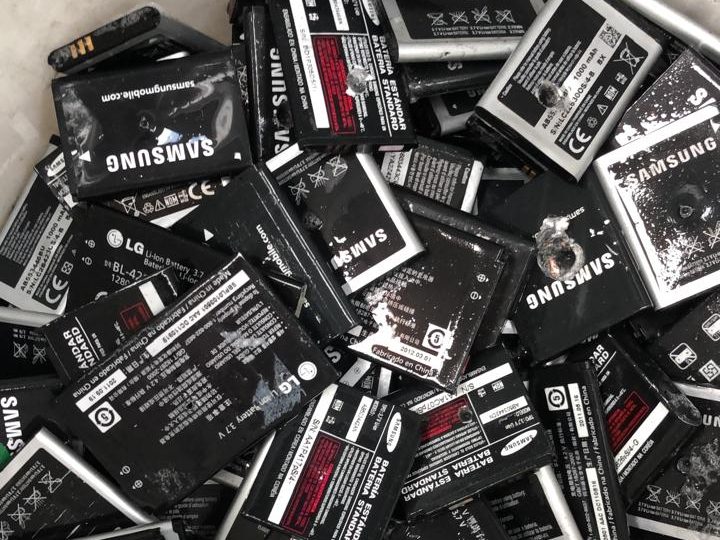
Consumer electronics
Phones, tablets and portable devices: many small units with high cobalt content.
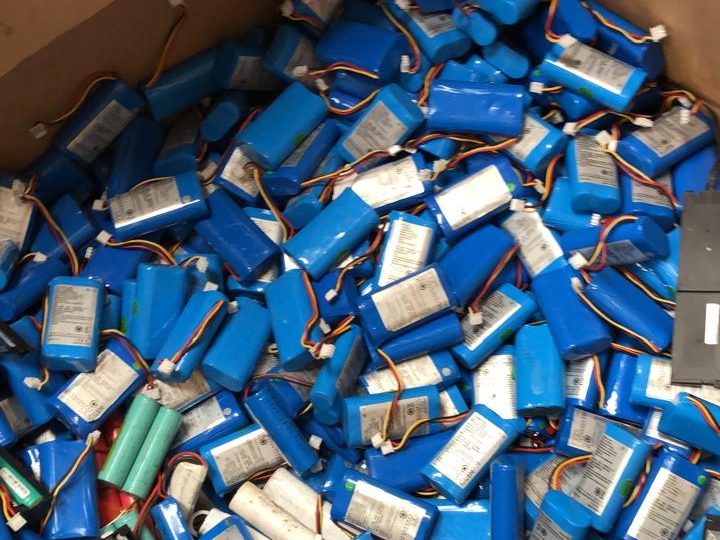
Power tools and micromobility
Laptops, cordless tools, scooters and electric bicycles.
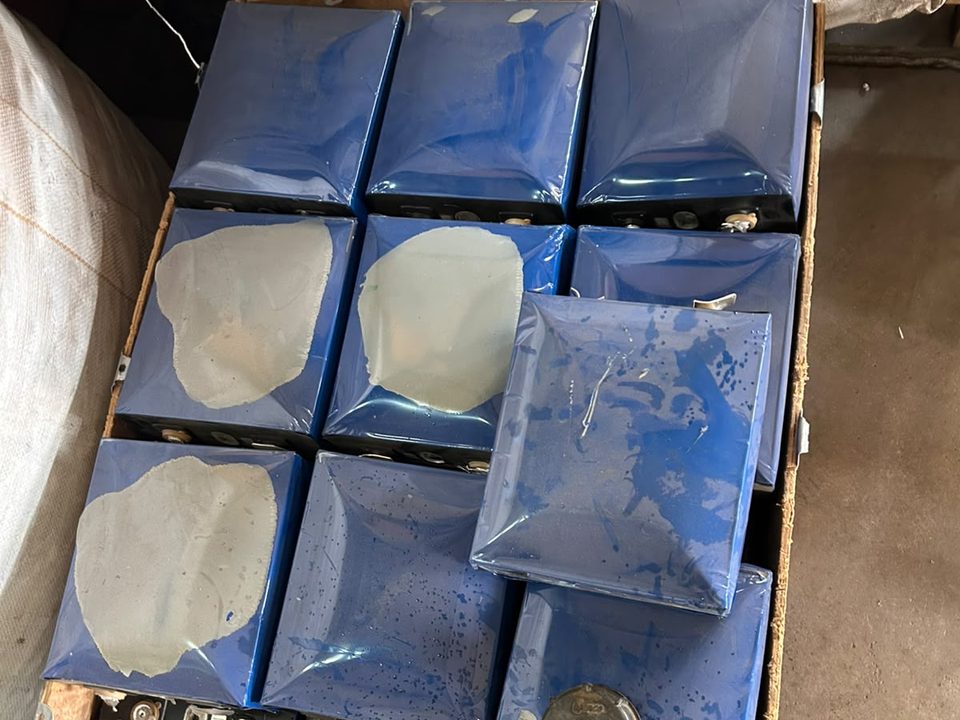
Electric mobility
Packs from electric vehicles, buses and machinery: second life is assessed first.
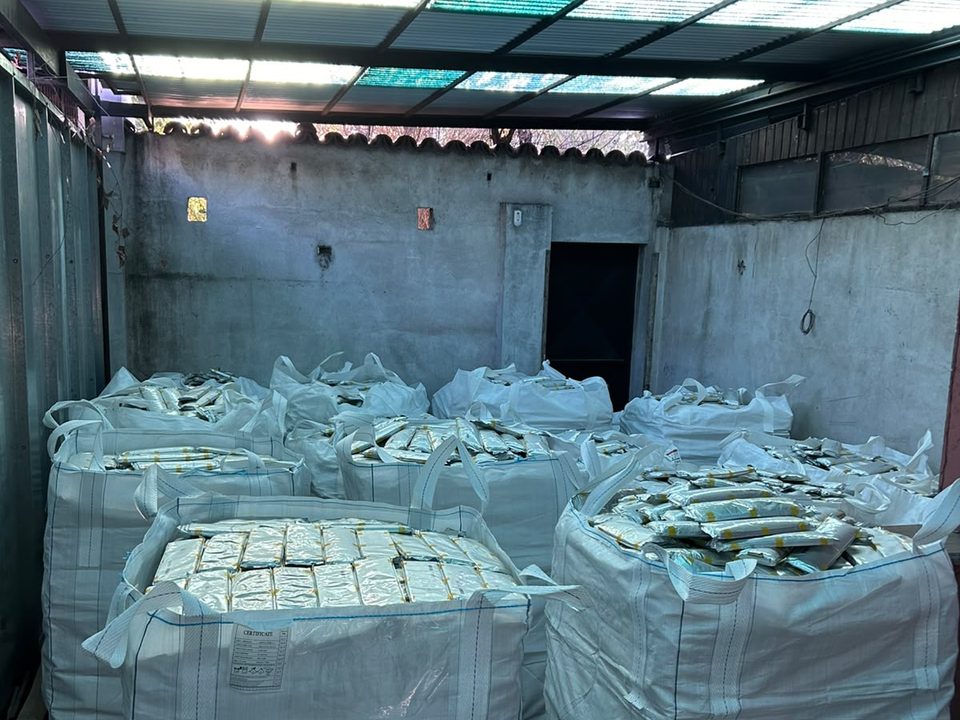
BESS and large format
Storage systems and industrial batteries taken out of service.
The end of the process: products, not waste
When recovery is completed in Chile, what leaves the plant is exported as a mineral product, outside the Basel Convention prior-consent procedure.
Arrange collection of your batteries
Tell us what you have in storage, in what format and where: we coordinate pickup with licensed hazardous-waste carriers and manage valorization with authorized receiving facilities; the authorized receiving facility issues the valorization certificate per batch.
- Reply within 48 business hours
- Pickup coordinated with licensed hazardous-waste carriers across Chile
- Technical report for every batch
- In-house testing lab for batteries and panels