From waste to mining: verifiable results
EcoBaterías is a Chilean company that recycles, repairs and reuses lithium batteries and solar panels. Its hydrometallurgical process comes from EcoMinería (Ecoprojects), a founding partner of EcoBaterías, which ran it at its Lampa plant (Santiago Metropolitan Region) under a 2020 health permit issued in its name. This page gathers the videos of that plant, archive photographs and the published evidence of the recycled cobalt sulfate tests at Codelco El Teniente.
A recycled cobalt sulfate was successfully tested at the hydrometallurgical plant of Codelco El Teniente as an additive for producing copper cathodes, replacing the imported solid product. Testing began in November 2023 and the results were published in July 2024: 22% lower cost and 40% lower consumption. The article does not name the supplier.
Updated October 9, 2026
- 22%cheaper than imported cobalt sulfate
- 40%lower additive consumption at the plant
- 1 daily additioninstead of three: standardized dosing and a simpler operation
Source: El Rancagüino, “El Teniente successfully tests recycled cobalt sulfate for copper cathode production” (opens in a new tab) · 2024-07-15
- Product
- Recycled cobalt sulfate, in liquid form
- Source material
- End-of-life mobile phone batteries, according to the press report
- Tested at
- Hydrometallurgical plant of Codelco El Teniente
- Use
- Additive for copper cathode production
- Testing
- From November 2023; results published in July 2024
What was tested at Codelco El Teniente?
From November 2023, the hydrometallurgical plant of the El Teniente division tested a recycled cobalt sulfate — recovered from end-of-life mobile phone batteries — as an additive for copper cathode production. Delivered as a liquid, the product removed the previous dissolution step, solved stock problems, standardized dosing into a single daily addition and improved operational continuity.
| Variable | Imported sulfate | Recycled sulfate |
|---|---|---|
| Format | Solid, needs prior dissolution | Liquid, no prior dissolution |
| Daily additions | 3 | 1 |
| Cost | Baseline | 22% lower |
| Additive consumption | Baseline | 40% lower |
Swipe to see the full table
“The liquid performed better, the effect is considerably faster and it is cheaper.”
The El Rancagüino report does not name the supplier.
The tests ran between 2023 and 2024 and the results were published in July 2024. This is not an ongoing supply contract or a permanently homologated product: what is proven is the performance of recycled cobalt sulfate in a real copper mining plant. How cobalt is recovered from a battery is described in how lithium batteries are recycled.
The full process, on video
Television report on the Lampa plant, operated by EcoMinería (Ecoprojects), a founding partner of EcoBaterías: how an end-of-life battery becomes minerals for industry, from intake to crystallization. In Spanish.
A Ruta Verde (Mega) TV report, published on YouTube by Álvaro Cruz Aninat. Length: 9 min 31 s. The video loads from YouTube only when you play it.
Inside the plant
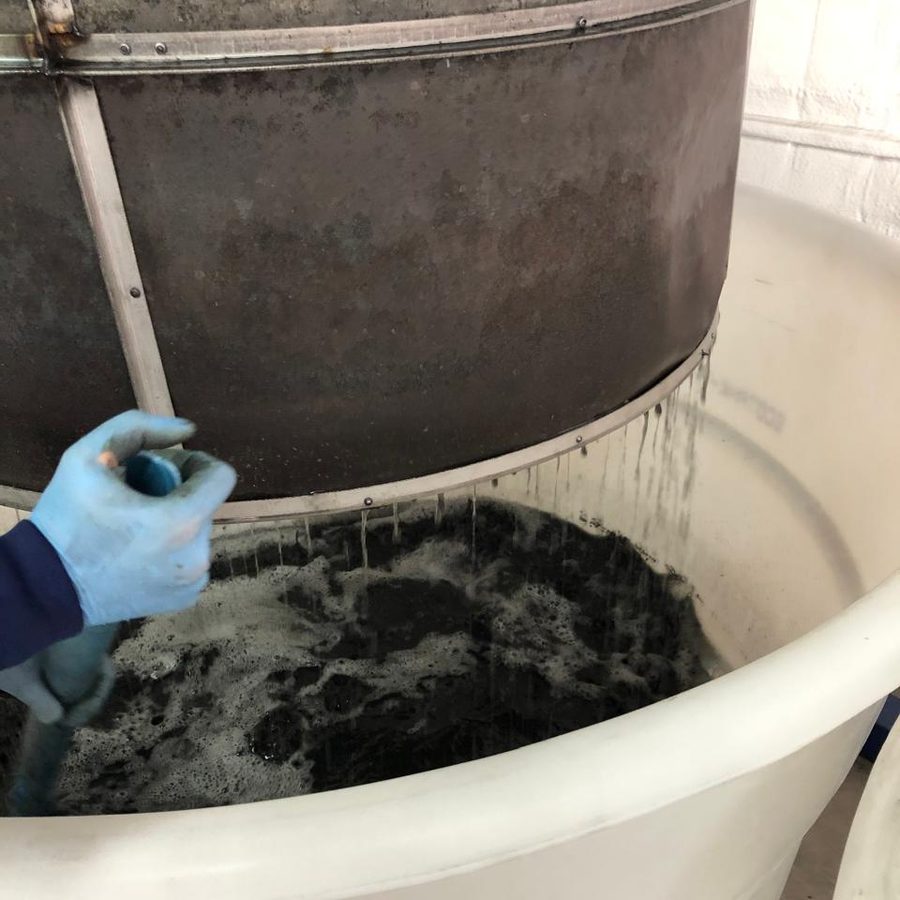
A record of the operation of the Lampa plant: waste intake, safe dismantling and the hydrometallurgical stages that separate the metals.
Video by Álvaro Cruz Aninat. Length: 3 min 17 s.
From recycling to technical service
The technical service for testing, repair, refurbishment and reuse of batteries and solar panels grew out of the testing and quality-control experience of the hydrometallurgical process that EcoMinería (Ecoprojects), a founding partner of EcoBaterías, ran at its Lampa plant, and it is available today. The order is deliberate: we test before we mill, because a pack that works again is worth more than its black mass, the metal-rich powder left after milling the cells.
For fleet or storage battery batches, the entry point is lithium battery testing; if the pack can be fixed, the next step is repair or refurbishment. For photovoltaic modules, solar panel testing decides which ones are repaired or reused, and whatever no longer works goes to battery recycling or panel recycling. If you have a batch in storage, collection and transport is coordinated with licensed hazardous-waste carriers.
Sources: El Rancagüino, 2024-07-15 (opens in a new tab) · videos published on YouTube by Álvaro Cruz Aninat · photographs by Álvaro Cruz Aninat, EcoMinería (Ecoprojects) and EcoBaterías archive.
Gallery
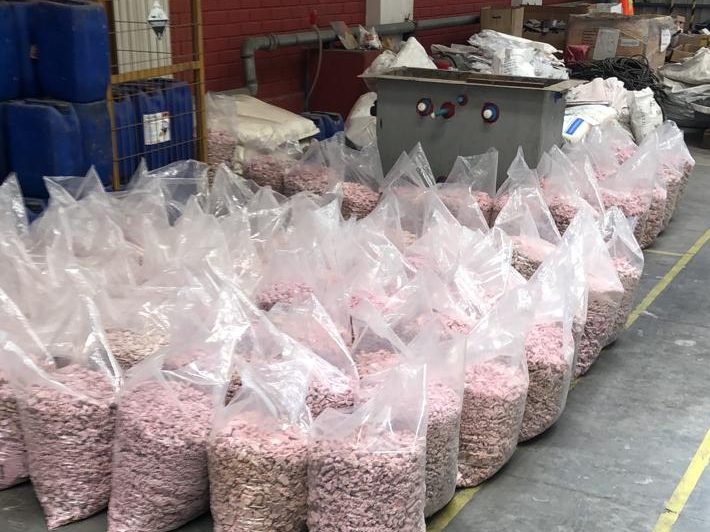
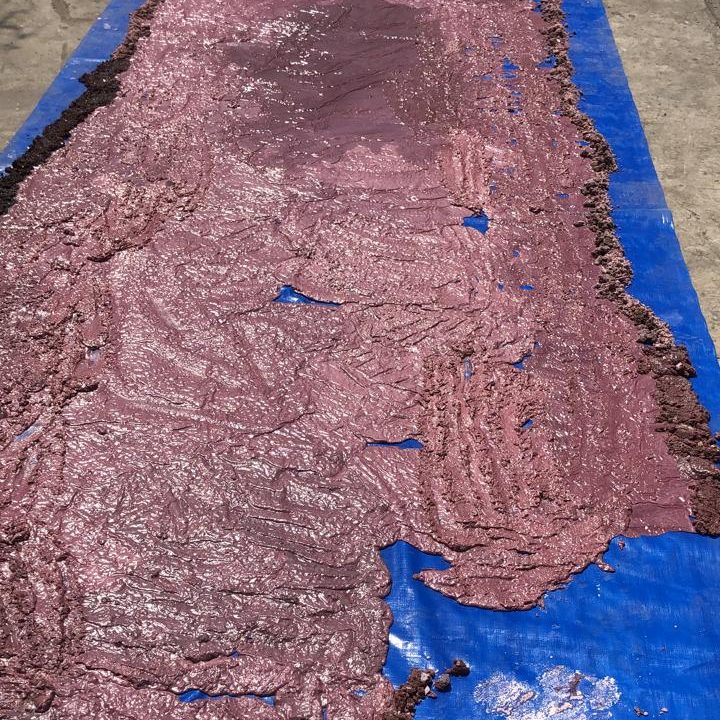
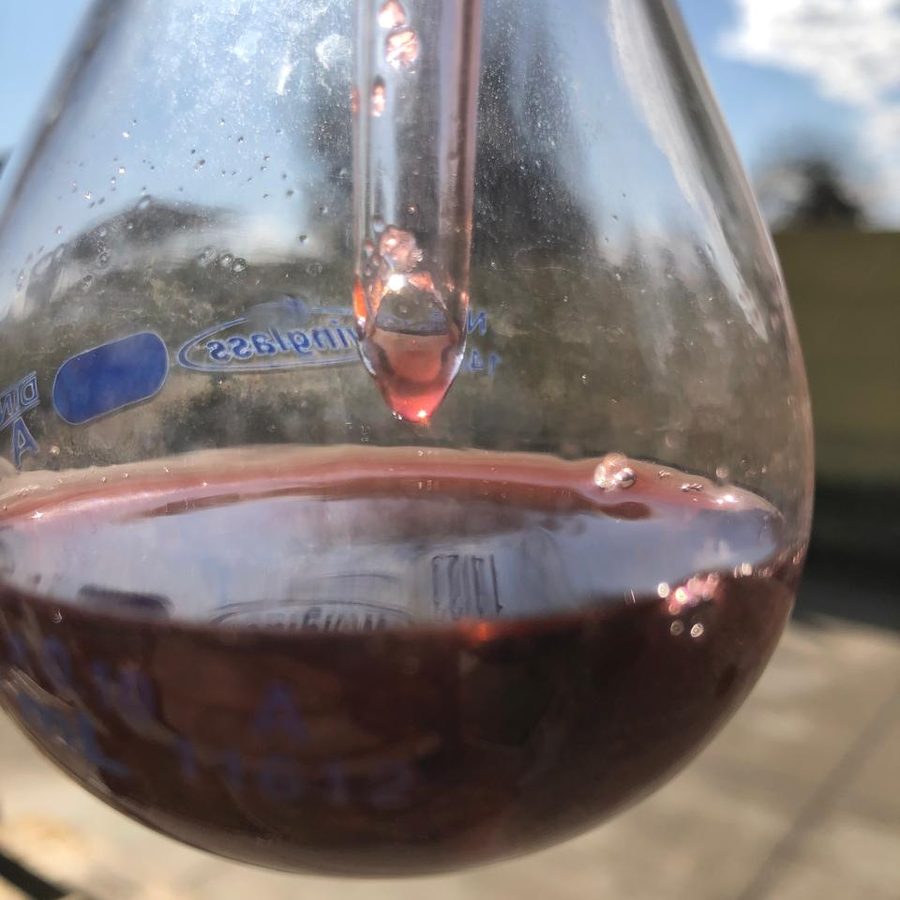
The Lampa plant in archive photos
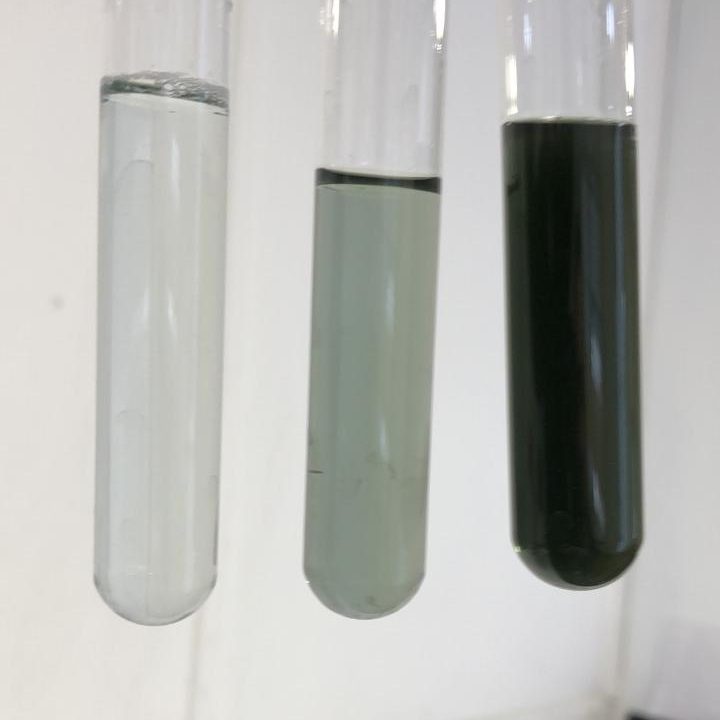
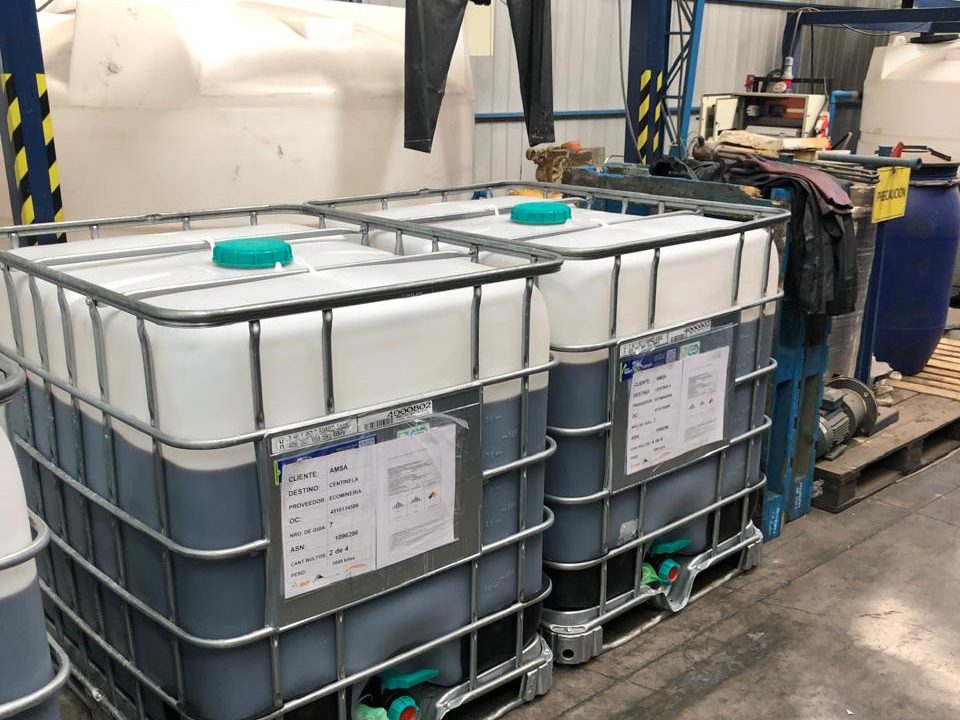
Archive photographs from the plant and the laboratory, by Álvaro Cruz Aninat. Click an image to enlarge it.
Have batteries or panels out of service?
We quote the testing and tell you which route makes sense: repair, second life or recycling through authorized receiving facilities.
- Reply within 48 business hours
- Pickup coordinated with licensed hazardous-waste carriers across Chile
- Technical report for every batch
- In-house testing lab for batteries and panels